Euro-area inflation is running at 4.0% in the first estimate for October 2026, while the European Central Bank (ECB) left its deposit rate at 2.50% last week. Put those two numbers side by side and one thing stands out for anyone who earns interest: a nominal rate below the inflation rate means the money buys less next year than it does today. This guide shows the arithmetic for euro savings accounts, then applies the same test to P2P lending and crowdfunding yields, where the advertised number and the number you keep can be far apart.
All pages were read on 5 November 2026. Inflation figures are Eurostat’s; the October one is a flash estimate and can be revised. Real returns below are my own arithmetic, before tax.
Key takeaways:
- Euro-area inflation was 3.8% in September 2026, up from 3.2% in August, and the flash estimate for October is 4.0% (Eurostat).
- The ECB held its deposit facility rate at 2.50% on 29 October 2026, after raising it from 2.25% effective 16 September.
- In September, euro-area households earned on average 0.30% on overnight deposits, 1.26% on deposits redeemable at three months’ notice and 2.37% on new deposits with an agreed maturity (ECB). Against 3.8% inflation, each of those is a negative real return.
- To merely keep purchasing power at 4.0% inflation, an investment needs to earn about 4.0% after losses, fees and tax, not before.
What changed this week
On 29 October 2026 the ECB’s Governing Council kept the deposit facility rate at 2.50%, the main refinancing rate at 2.65% and the marginal lending rate at 2.90%. In its statement it said rising energy prices pose upside risks to the inflation outlook, and that it decides meeting by meeting based on the data. The next meeting is in December. This article does not forecast what happens then; the point is where things stand today.
On inflation, Eurostat reported 3.8% for September on 16 October. Its flash estimate published on 4 November puts October at 4.0%, with energy up 20.8% year on year, services 3.3%, food, alcohol and tobacco 1.6% and other goods 1.2% (components as published by Eurostat in its flash-estimate post). Energy is doing most of the work, which is why the headline can look very different from what a household with low energy use experiences.
What euro savers actually earned in September
The ECB publishes monthly averages of what banks pay on new business. The latest release, covering September 2026, came out on 2 November. To compare like with like, the table sets the September deposit rates against September inflation of 3.8%. The real return is calculated as (1 + nominal rate) / (1 + inflation) − 1.
| Euro-area household product (Sept 2026) | Nominal rate | Real return at 3.8% inflation |
|---|---|---|
| Overnight deposits | 0.30% | −3.37% |
| Deposits redeemable at 3 months’ notice | 1.26% | −2.45% |
| New deposits with agreed maturity | 2.37% | −1.38% |
| ECB deposit facility rate (policy rate, not a retail product) | 2.50% | −1.25% |
Sources: ECB bank interest rate statistics (2 Nov 2026), ECB key interest rates page, Eurostat (16 Oct 2026). Real returns are my arithmetic and ignore tax.
In euro terms: if prices rise 3.8% over a year, €10,000 held at the 2.37% average for new fixed-term deposits ends the year with the buying power of about €9,862 in today’s money. The same sum on an overnight account at 0.30% ends with about €9,663. These are averages across the euro area; individual banks pay more or less, and our comparison of flexible and fixed-term EUR savings accounts shows how wide the spread can be. Our earlier note on the ECB move to 2.50% explains how policy rates feed into savings rates.
Reading a P2P or crowdfunding yield against inflation
Peer-to-peer platforms and real-estate crowdfunding sites usually show a headline interest rate. That figure is normally a gross, contractual rate on a loan, and it is the starting point rather than your result. What reaches your account is the headline rate minus defaults and write-offs, minus any fees, minus tax, and adjusted for time your cash sits uninvested. Only then does inflation come into the picture.
The table below is a hypothetical illustration, not a statement about any platform. It assumes a 10% advertised yield and different levels of annual losses and fees, and tests the result against the 4.0% October flash inflation rate.
| Advertised gross yield | Assumed annual losses and fees | Net nominal return | Real return at 4.0% inflation |
|---|---|---|---|
| 10% | 0 points | 10% | +5.77% |
| 10% | 2 points | 8% | +3.85% |
| 10% | 4 points | 6% | +1.92% |
| 10% | 6 points | 4% | 0.00% |
Hypothetical figures. Real return = (1 + net return) / 1.04 − 1, my arithmetic, before tax. These are not return forecasts or promises.
The lesson is how quickly a high-looking yield erodes. A 10% headline rate with six points lost to defaults, fees and idle cash only just matches 4.0% inflation, and tax comes off after that. The reverse also applies: a platform that shows a modest rate but loses little can beat one with a bigger headline number and heavier losses.
Three things that shrink the number
Losses. Loans can go late or be written off, and a buyback guarantee is only as good as the company giving it. Our overview of P2P and crowdlending platforms that collapsed or are in serious trouble shows how that played out in practice.
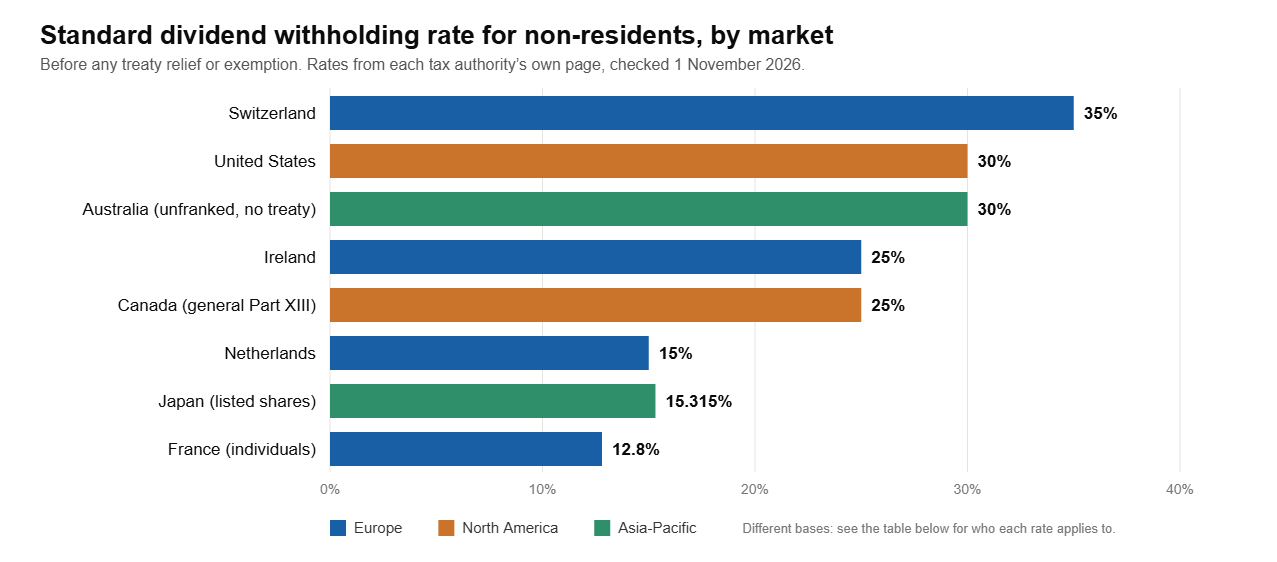
Tax. Interest is usually taxable, and rules vary by country and by product. Check the rate that applies where you live; for dividends from foreign companies, see our guide to dividend withholding tax by country, which follows the same logic of gross against net.
Structure and protection. Not every platform or product sits under the same rulebook. The EU crowdfunding regulation covers some activities and not others, which we explain in EU Crowdfunding Rules (ECSPR) Explained. A bank deposit and a loan on a platform are different risks, and a higher rate is the market’s price for that difference.
A short checklist before comparing any yield
- Is the rate gross or net, and does it include losses, fees and idle cash?
- What is the inflation figure for the same period, and is it a final or a flash number?
- What is the currency of the loans, and who bears the exchange-rate risk?
- What happens to your money if the platform or the loan originator fails?
- Which tax applies to the interest in your country?
One more caveat on the headline number: euro-area inflation is an average across millions of households. Your own rate depends on what you spend money on, so the 4.0% figure is a benchmark, not a personal inflation rate.
Sources
- ECB, Monetary policy decisions (29 Oct 2026)
- ECB, Monetary policy statement (29 Oct 2026)
- ECB, Key ECB interest rates (read 5 Nov 2026; latest change effective 16 Sep 2026)
- ECB, Euro area bank interest rate statistics: September 2026 (2 Nov 2026)
- Eurostat, Annual inflation up to 3.8% in the euro area (16 Oct 2026)
- Eurostat, Euro area annual inflation up to 4.0%, flash estimate (4 Nov 2026), and Eurostat’s post with the components
Get new articles by email
Ex-dividend dates, earnings previews and P2P platform changes, straight to your inbox. Unsubscribe anytime.
Disclaimer: This article is for informational purposes only and does not constitute investment advice. Figures come from the sources listed, as of the times stated, and may be revised. Market-data summaries can differ slightly from official exchange figures. Confirm current prices with your broker. Investing involves risk, including the possible loss of capital.